January 2026 on the Shore
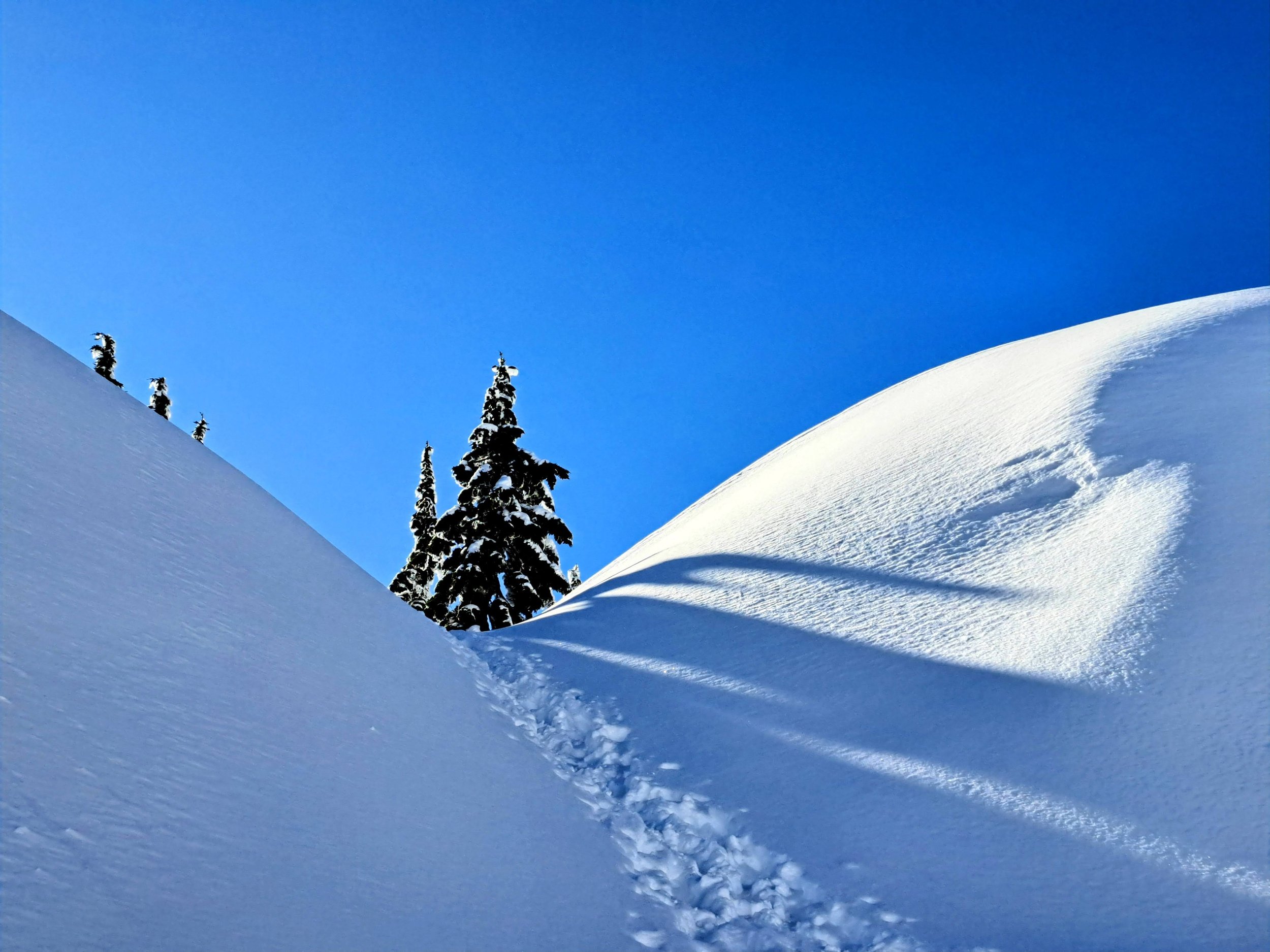
The path ahead is clear, but where exactly are we going? Photo: Ken Hicks
What are you looking forward to this year? Probably not taxes. We’re going to celebrate a new rec centre, a new pedestrian overpass, more affordable homes, and, among other things, even the boring stuff = renewed pipes and pumps (they’re important). We wish you all the best in 2026, Martyn, Heather, Greg, and Duncan.
2026 Shore-wide municipal property and utility taxes overview
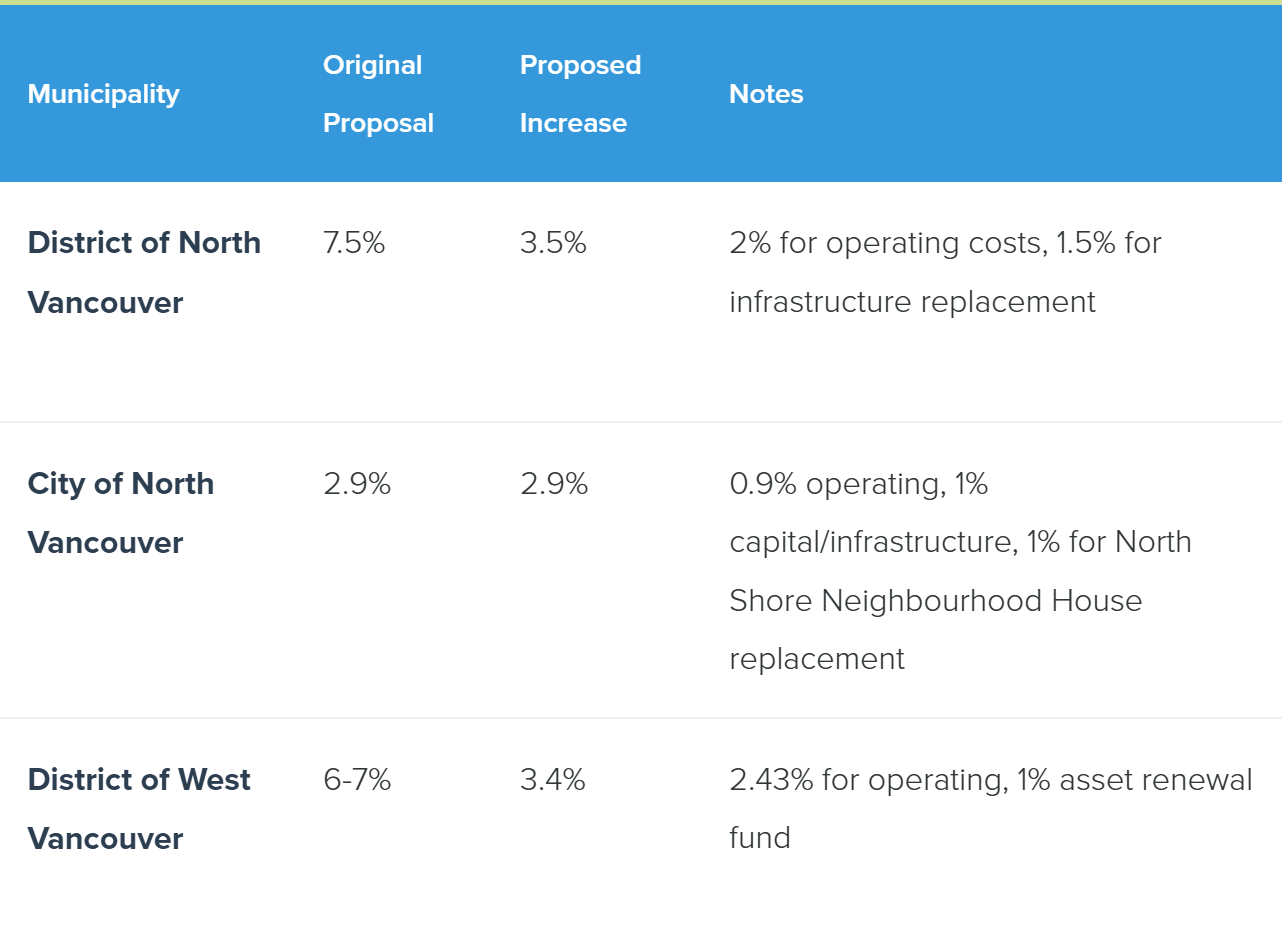
With inflation projected at around 2% in 2026, our three municipalities aim to keep property tax increases close to that level.
How property taxes work
Staff figure out how much money a muni needs to operate for the year, including expenses for new projects like rec centres, bridges, parks and lots of other stuff. Then they calculate the property tax rate required to fund operations and those new items. All else being equal, inflation should be the only factor driving any increase in operating costs. Usually, the first tax increase numbers that staff come to council with are higher than what council wants to approve. So the original estimates are reduced either by removing new projects, identifying cost savings or increasing fees. All three munis also add a levy that goes into a fund to replace aging infrastructure such as the pipes and pumps that deliver our water and remove our wastewater. Interestingly, according to BC Assessment, property values on the shore are actually declining, which impacts the required tax rate increase for operating costs.
New fees can offset property taxes
For example, the City of North Vancouver reduced their 2026 property tax increase by 1.8% due to new fees from public pay parking. Increasing revenues from user-pay taxes allows municipalities to improve service levels, add new projects, or reduce property taxes. In 2026, the City is opting to reduce taxes. Another reason why pay parking is good policy.
Note: Municipal property taxes are only one portion of your total property tax bill. Other components include Provincial school taxes, Metro Vancouver levies, TransLink, BC Assessment, and the Municipal Finance Authority. The tables above do not reflect these items.
Utilities fees are going up - even with reserve use
The primary driver of utility increases across all three municipalities is rising Metro Vancouver costs, particularly related to the North Shore Wastewater Treatment Plant project. All three municipalities are using reserves to offset overruns in wastewater treatment plant costs. Despite good fiscal management with reserves, in the District of North Vancouver, aggregated utility fees are expected to more than double from $40M (2025) to $86M (2030) as increases compound. Hoo-boy, that’s a lot of toilet paper.
District of North Vancouver - Utilities
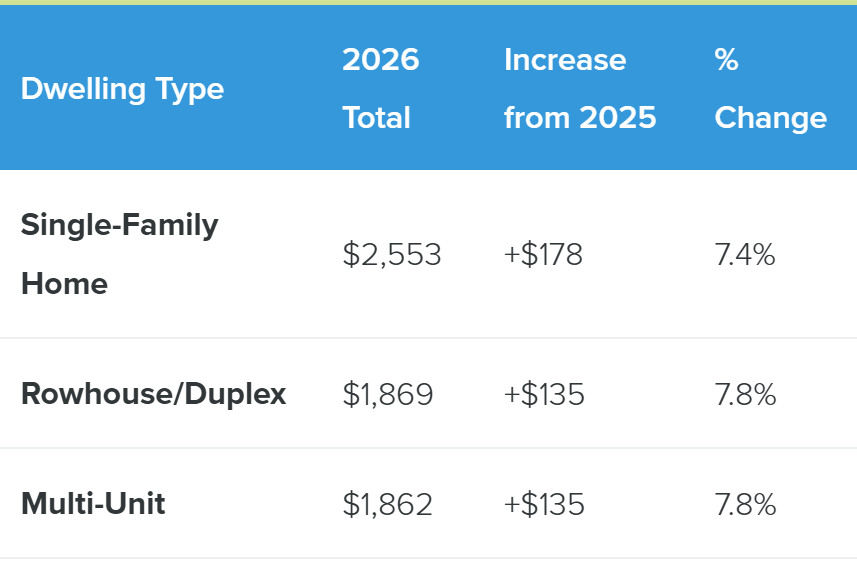
Single-Family Breakdown: Sewer $1,255 (+$129, 11.5%), Water $932 (+$31.50, 3.5%), Garbage/Organics/Environmental $366 (~3.3%)
City of North Vancouver - Utilities
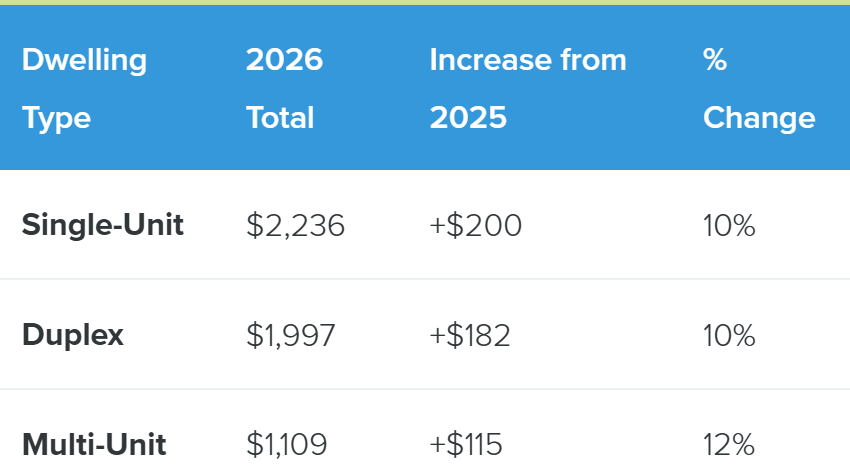
District of West Vancouver - Utilities
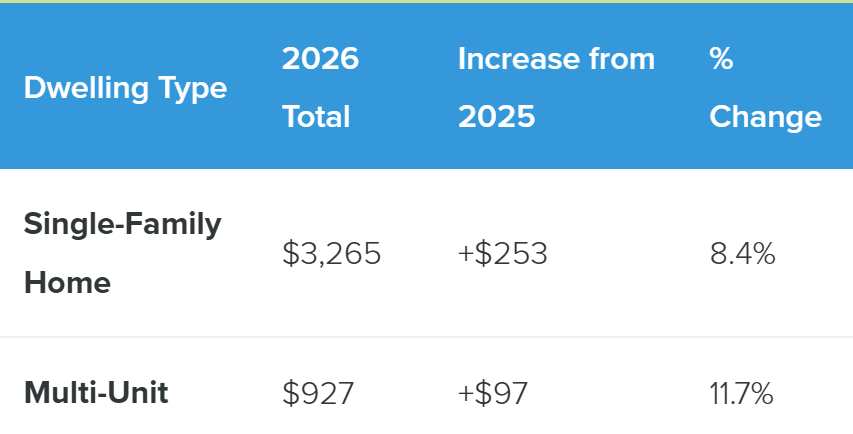
Single-Family Breakdown: Water $893 (+$39, 4.5%), Sewer & Drainage $2,015 (+$214, 11.9%), Garbage & Recycling $272 ($0, 0%), Public Realm Collection Fee* $85
Multi-Unit Breakdown: Water $294 (+$13, 4.6%), Sewer & Drainage $548 (+$84, 18.1%), Garbage & Recycling included in sewer, Public Realm Collection Fee* $85
*fee to collect garbage and recycling in municipal parks
Supernerds only 🦸🏾, I made a table of tax increases from 2016 to 2026. I set out to show that munis tend to artificially reduce taxes in election years, but the data upended that theory…
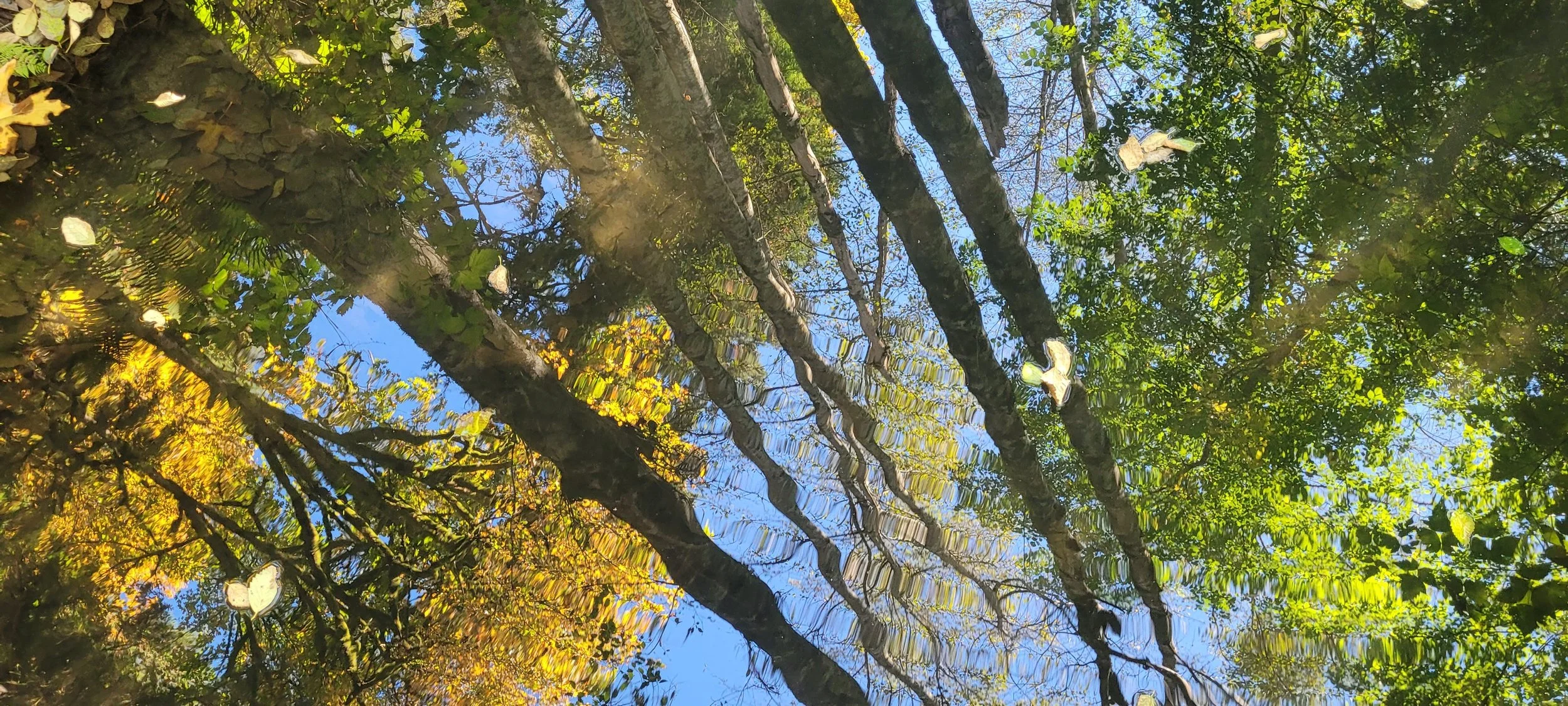
Reflection on Morten Creek Hatchery. Photo: Heather Drugge
More articles from betternorthshore.ca
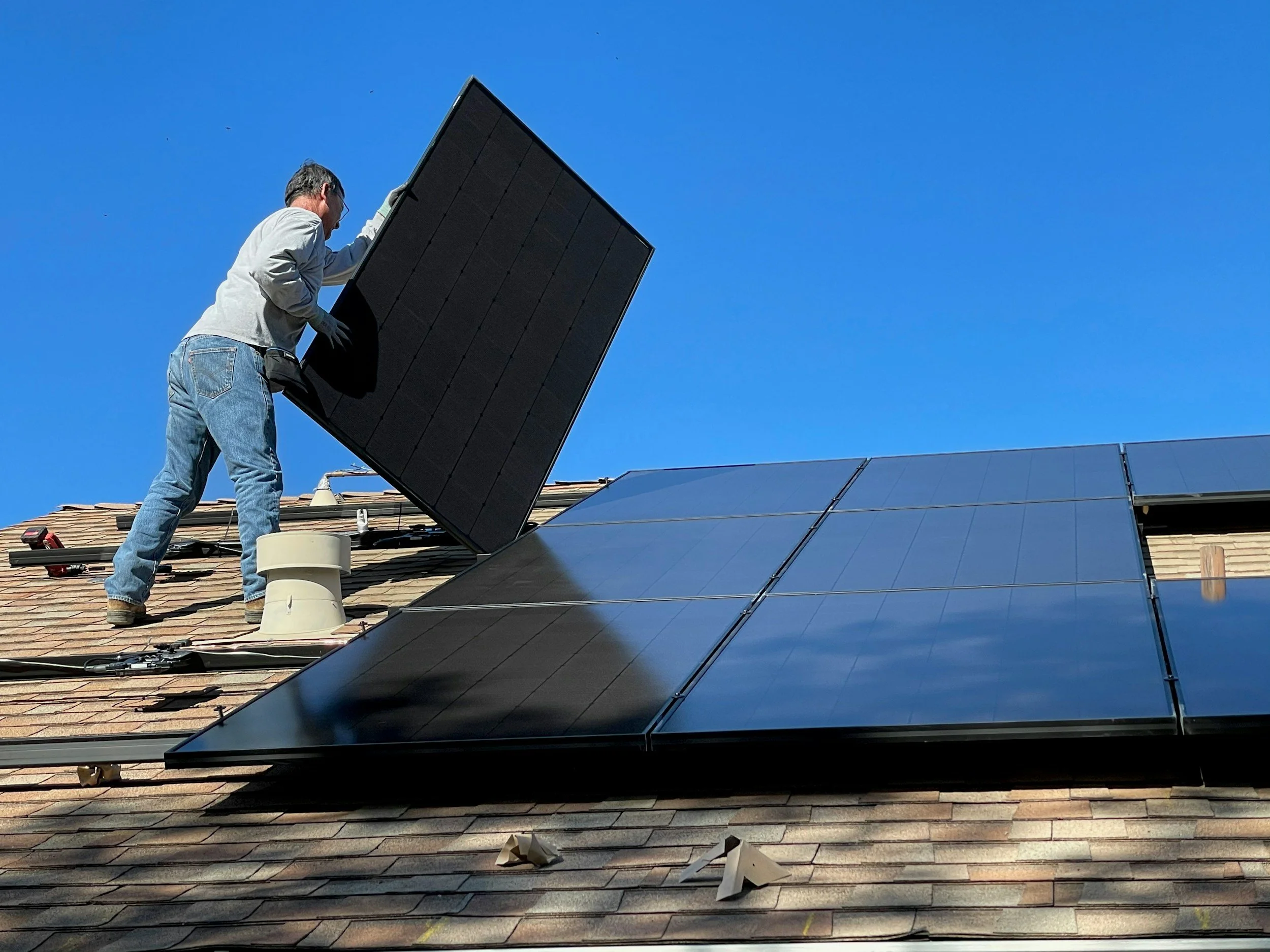
Community events
Community Climate Connections
Community Climate Connections is a series of presentations and conversations about climate and biodiversity solutions hosted by RegenerateBC facilitators Michelle Sheardown and David Hunter. Please join us for a drop-in session and let’s build a connected community of people taking climate action across the North Shore! The next session is in February.
📅 Date: Tuesday, Feb. 10 at 1:30 pm
📍 Lynn Valley Library 1277 Lynn Valley Road
🎟️ Free - no need to register
Save our Oak
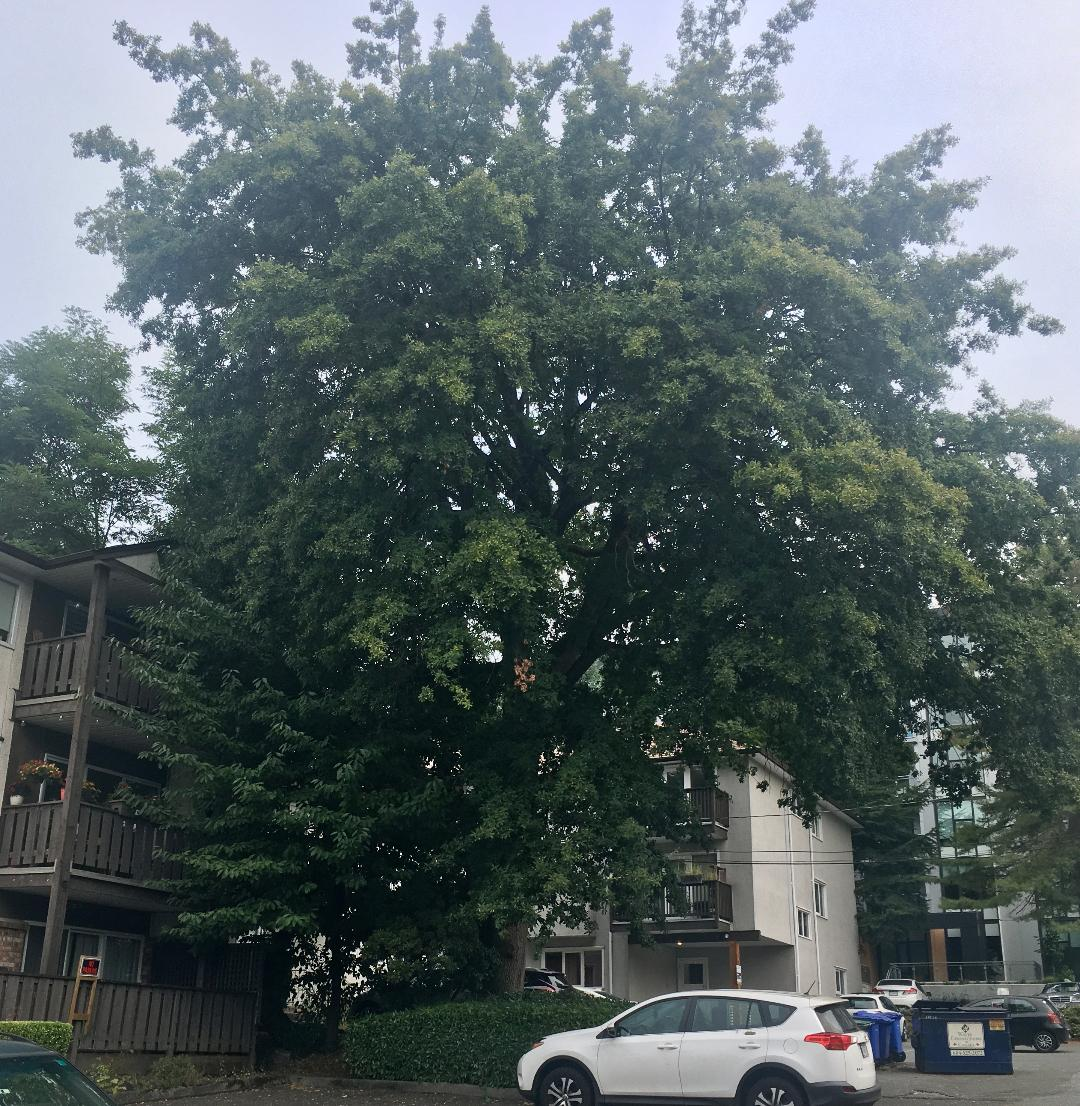
Trees are an essential natural asset in our community, creating shade, soaking up excess rain, acting as sound barriers and providing homes for local critters. The City of North Vancouver’s bylaws do not protect magnificent old oak trees like this one, which will be destroyed for a new development. If the developers voluntarily decide the tree is an asset, it can be saved. We saved the cedar at 20th and Eastern so it can happen. Sign the petition to save this tree.
City of North Vancouver expands mobility network to get to the new bridge over highway 1.
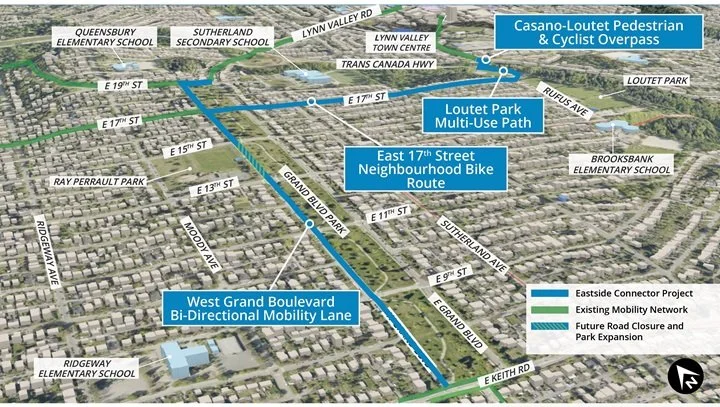
The City is holding an in-person information session for the community, where the project team will be available to answer questions and share further information about the Eastside Connector.
📍Location: Sutherland Secondary School, small gym
📅 Date: Wednesday, January 28, 2026 from 5.30 p.m. to 8 p.m.
Green Roofs 101
This introductory course presented by Green Roof Infrastructure Network of BC (GRIN), provides homeowners and gardeners with basic technical know-how and practical skills to design, install and maintain green roofs. It will focus on lightweight, low maintenance systems that are best suited for small DIY projects. We will explore local case studies and share top tips in selecting plants, soils and accessories to create a successful green roof.
📅 Date: Tuesday, Saturday, February 28 2026. 9:30 AM - 3:00 PM,
📍Location: VanDusen Guides Classroom | 5151 Oak St, Vancouver, BC, V6M 4H1
🎟️ $83.00 Register here
Exploring livability - our recreation centers
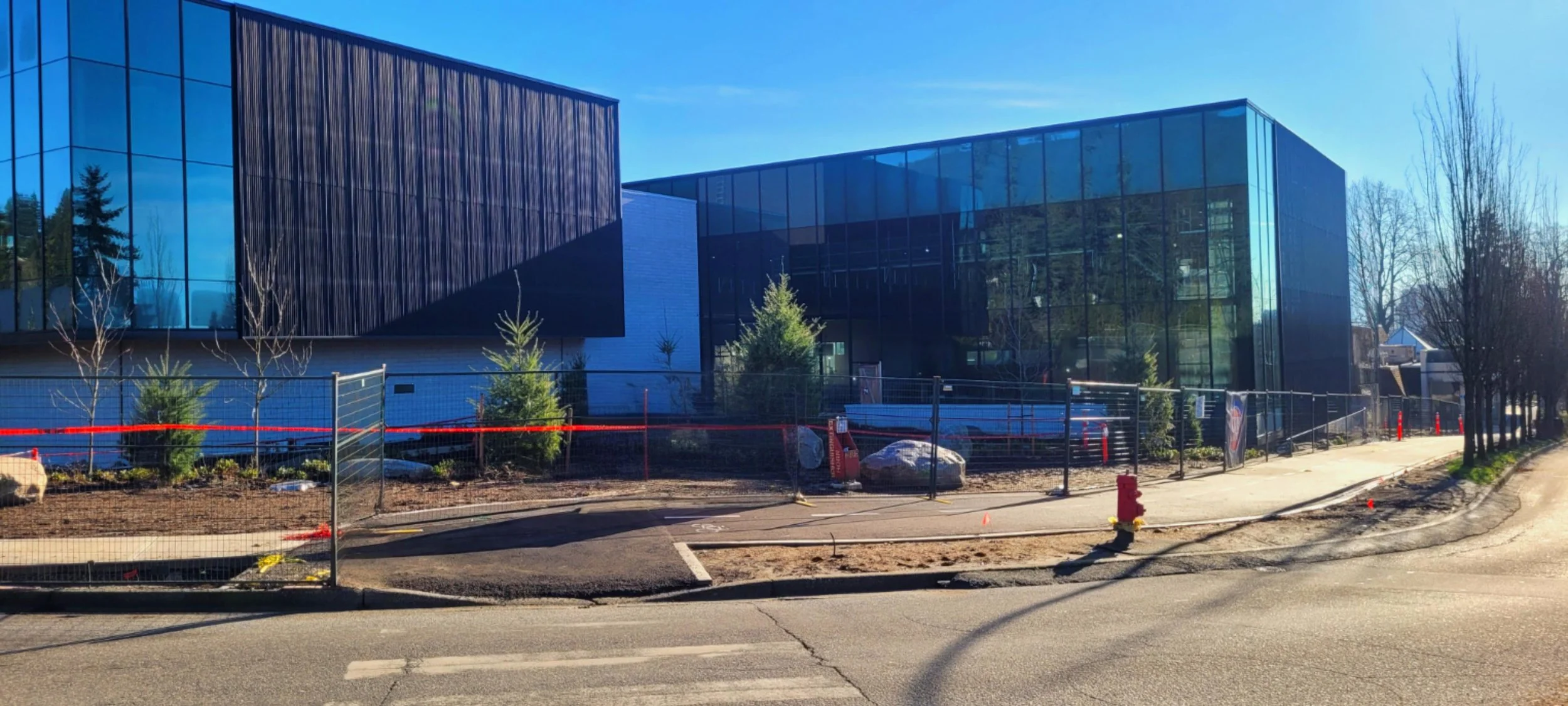
The new Harry Jerome Rec Centre will be ready soon (spring? 2026) Photo: Heather Drugge
Odds are you learned to swim or skate at one of our communal rec centres. I learned to skate and swim at Harry Jerome. Our rec centres in North Vancouver are funded through a combination of municipal property taxes and user fees. An agreement between the City and District of North Vancouver facilitates joint operations and planning. How it works: The new $230M Harry Jerome project will open in 2026 and is being funded by the City of North Vancouver. But since we will all use the center, the District of North Van will contribute $ towards operation costs each year. Likewise, the City of North Van supports the operation of the District's major recreation facilities. Because really, we all live on one Shore. (Though naturally, West Vancouver has its own recreation centre funding 🤦🏼♀️)
Satellite centres like John Braithwaite, Lions Gate, and Lynn Creek serve people in Lolo and the newer Lynn Creek town center and Lions Gate village as these areas develop.
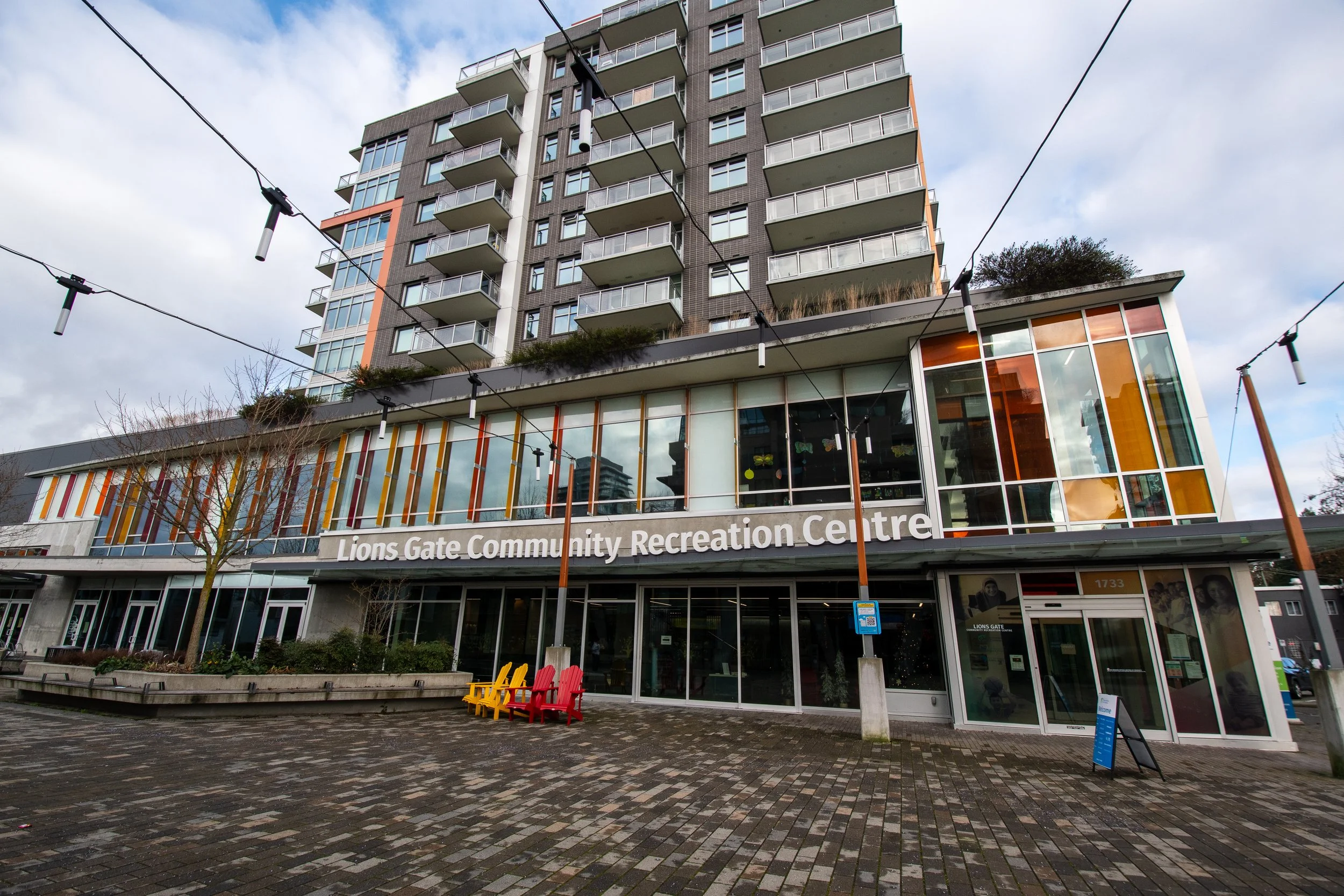
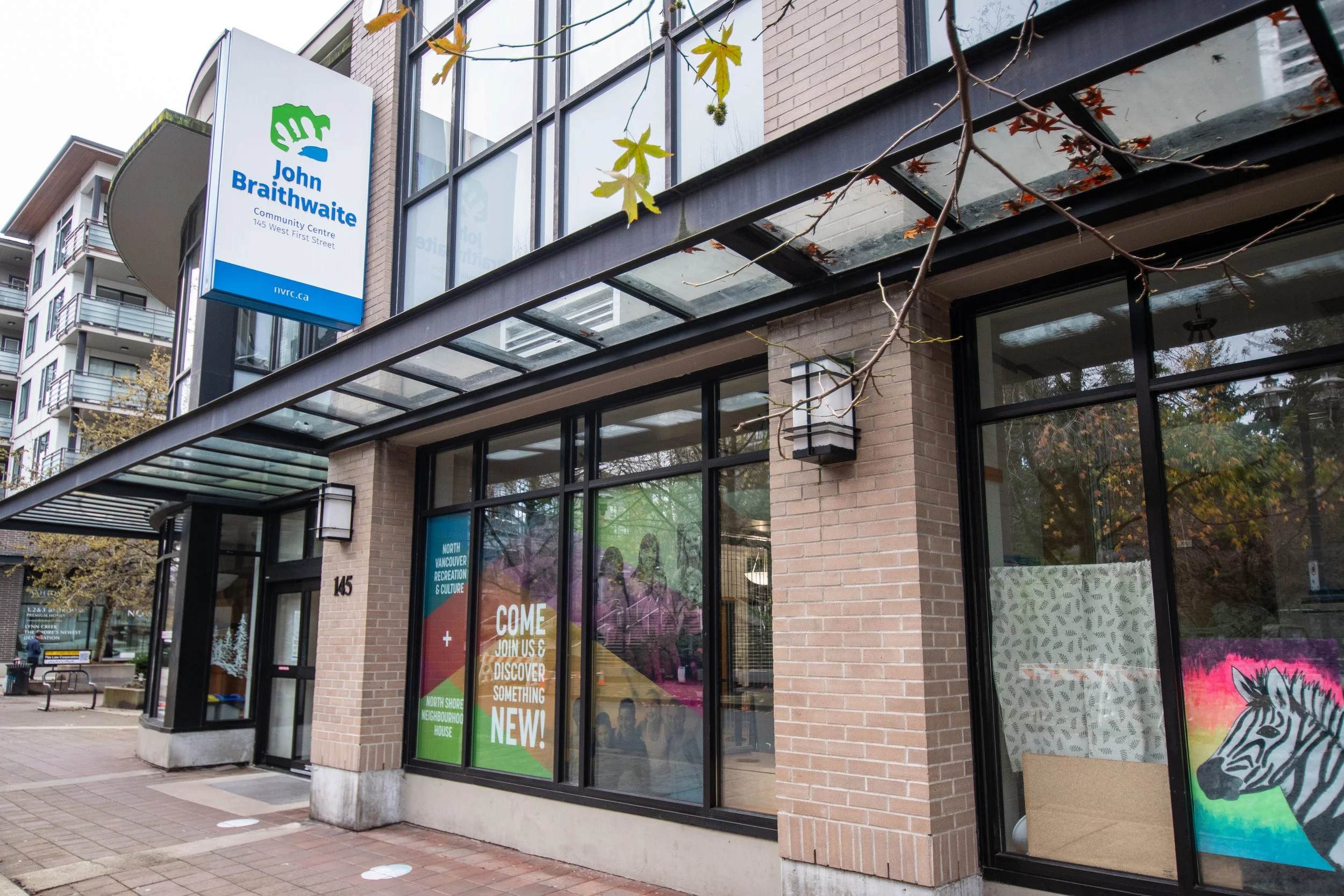
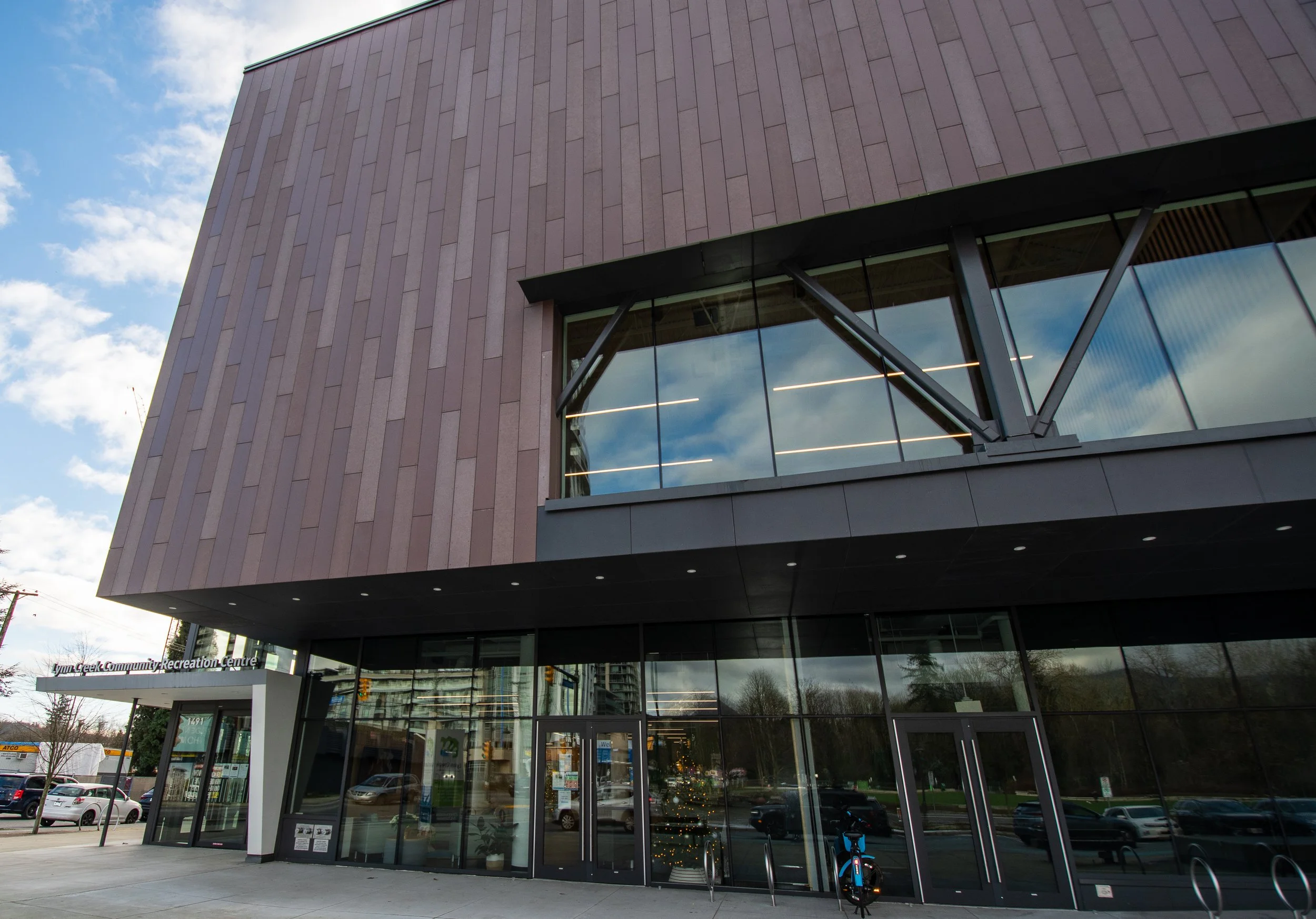
Where on the Shore?
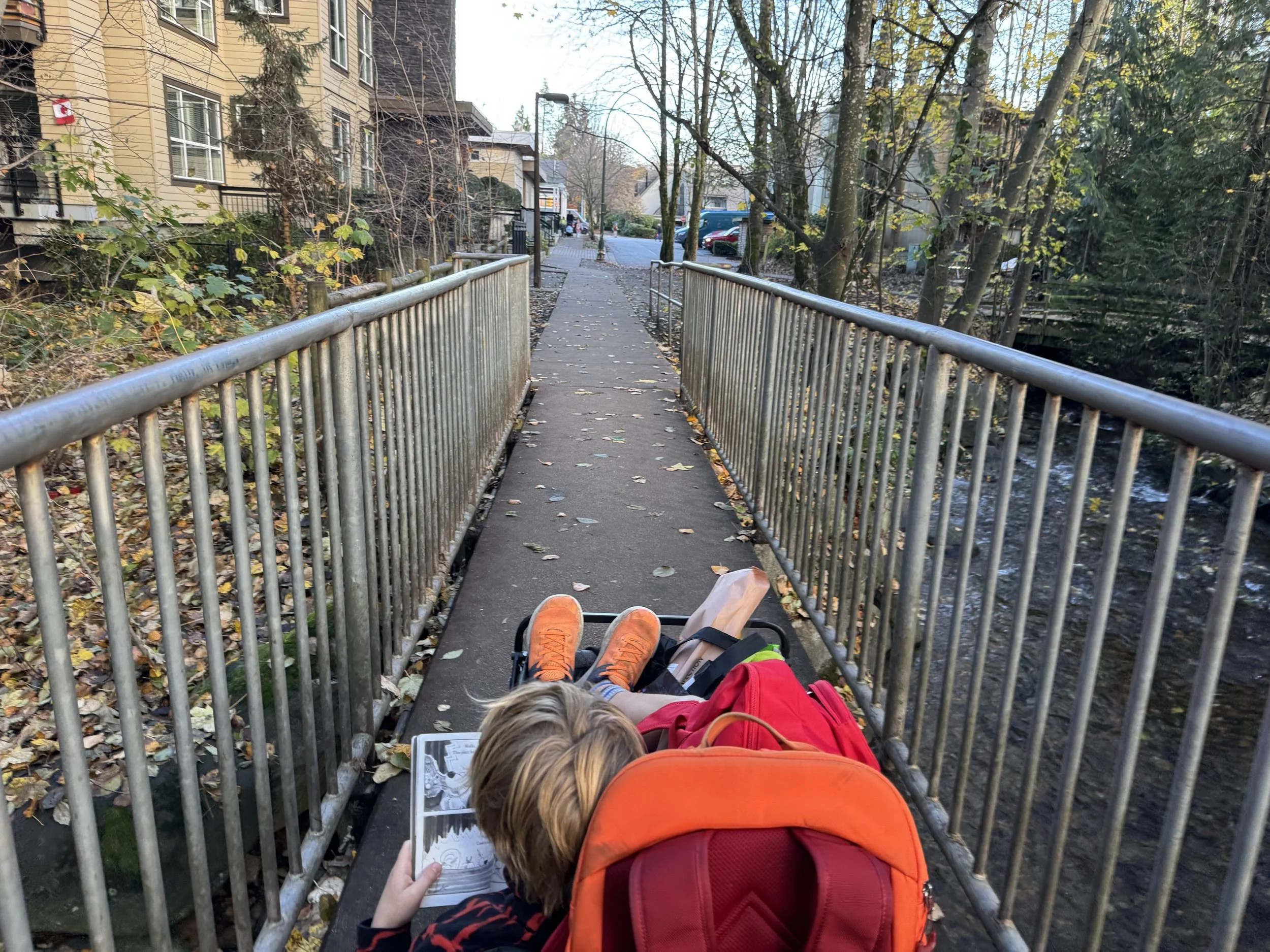
The first person to send us an email with the location of this bridge will receive a Better North Shore T-shirt. (Past winners are ineligible) hello@betternorthshore.ca Photo: Duncan Wilcock

Want to get more involved with Better North Shore? We’ve created a private chat server—a safe space to organize, exchange ideas, and work on making the North Shore better. If you’d like to get more involved, please join our Discord server. Join using this invite link.
If this newsletter and our stories resonate with you and your values, please forward this to a few friends, and suggest they join our email list. We're building a group of like-minded people who want to see the North Shore positively embrace and manage the many changes we face. Thanks, we really appreciate it.