Community land trusts: how they work and why they matter
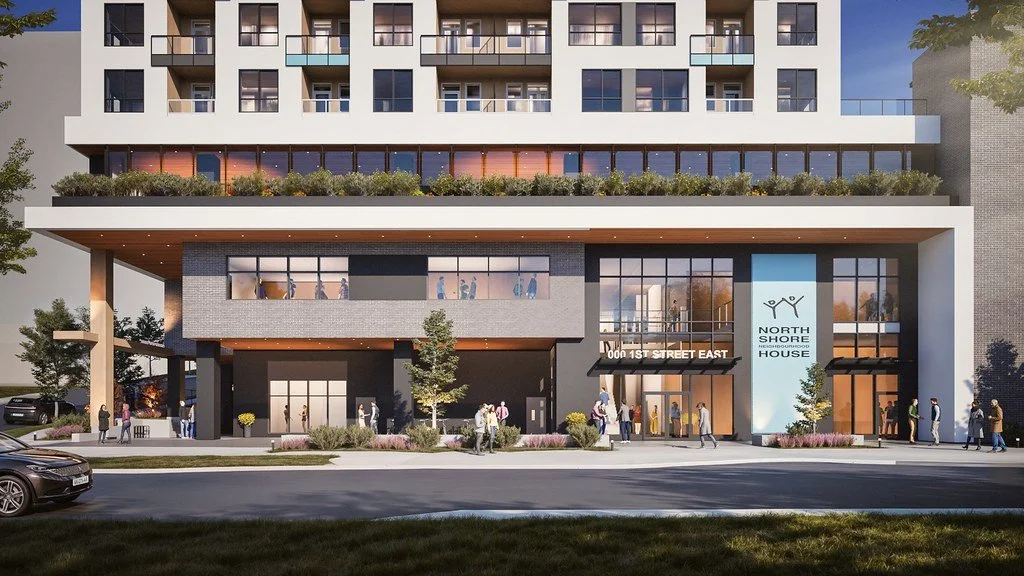
The new North Shore Neighbourhood house is a non-profit affordable housing and community space project built by Catalyst Community Developments. Image: City of North Vancouver
The North Shore has been building affordable housing for decades, with a welcome resurgence. These projects are usually built as follows: the municipality contributes the land, often at below-market value or for free. A non-profit society helps fund and acquires money and/or loan backstops from BC Housing or Canada Mortgage and Housing Corporation, or both. The non-profit builds and operates the development. It's a proven model that totally works, but it doesn't lock in affordability permanently. That’s where a community land trust could be useful.
What’s a community land trust anyway?
A community land trust is a non-profit organization that owns land and leases it — typically on 99-year terms, to housing providers, co-ops, or individual residents. The buildings on the land can be owned or operated by others. When a community land trust leases land to a housing provider, the affordability conditions are written into the title. That means they survive changes in operator, changes in government, and the expiry of any individual deal. The land never returns to the open market. That's what makes a community land trust structurally different from other forms of affordable housing delivery.
Governance by the governed
Community land trusts also differ from standard non-profit housing in how they're governed. They're run by a board that includes neighbourhood residents, local organizations, and sometimes business owners, not just the housing operator. Direct community accountability is built right into the structure.
Two ways to build community land trusts
In practice, community land trusts have emerged through two distinct routes.
The first is community-initiated: a group of residents and local organizations forms a trust, raises its own capital, and acquires buildings, sometimes against government resistance. The Downtown Eastside Community Land Trust is an example from Vancouver. When Vancouver city council turned down a request for a $1-million capital grant to help buy Powell Rooms, a 23-unit single-room occupancy building near Oppenheimer Park, the trust raised the money from private sources instead. It now permanently holds the building, with the childcare program on the ground floor protected alongside the housing above it.
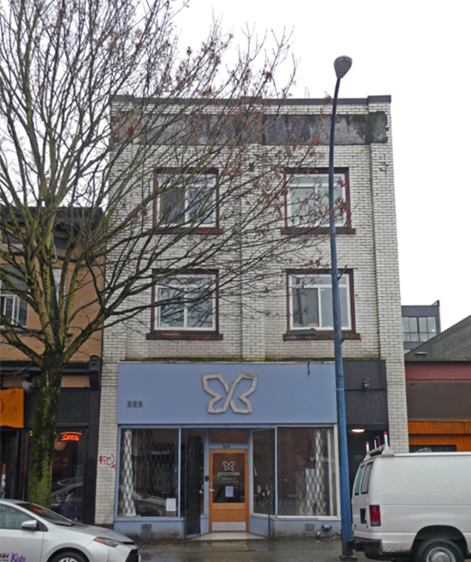
Powell Rooms in Vancouver. Screencapture: Google Maps
The second route is government-enabled: a municipality contributes land or capital, a non-profit builds on it, and the community land trust structure permanently maintains affordability.
Both models are relevant to the North Shore because municipal land contributions are already a thing. And, nothing stops a bunch of friends from buying up lots together to start a co-op or a co-housing project.
Lessons from False Creek
False Creek South demonstrates what happens when there’s no community land trust layer. The neighbourhood was built as a master-planned community in the 1970s and 80s on city-owned land, with a deliberate mix of co-ops, non-profit rentals, and strata condominiums. It was genuinely innovative, and for decades, it worked. Now, some of those original leases are expiring and have not yet been renewed, creating uncertainty for residents who’ve built their lives there. The community eventually formed its own land trust in response, partly to have a vehicle for negotiating with the city, and partly to ensure that whatever comes next is shaped by the people who actually live there rather than by whoever holds the lease.
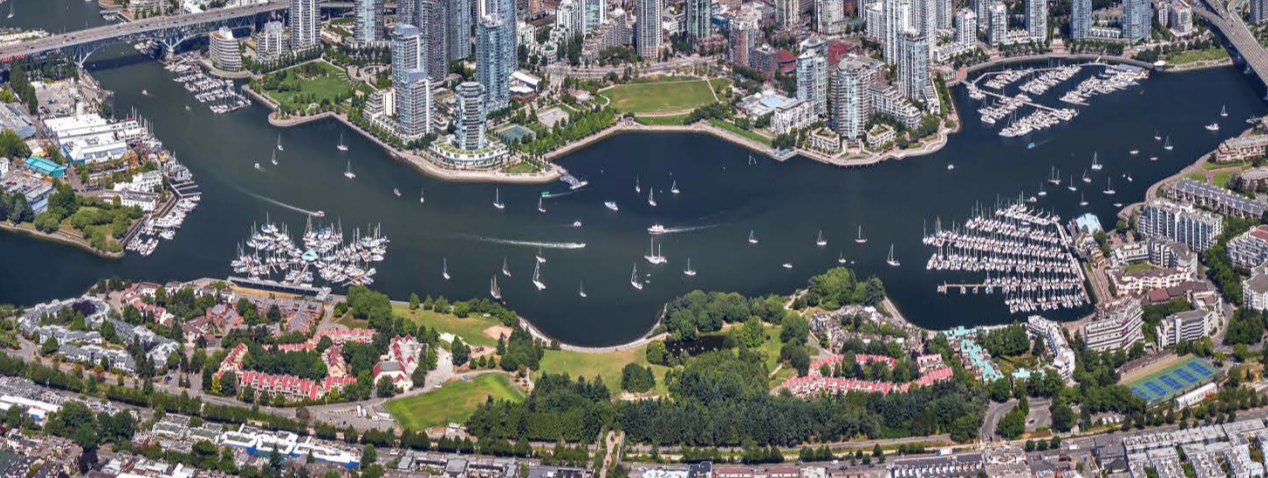
False Creek South Photo: False Creek Neighbourhood Association
How about here on the Shore? a Neighbourhood House example
Catalyst Community Developments has a 60-year lease with the City of North Vancouver for the Neighbourhood House redevelopment site on East 2nd Street. The City contributed the land, BC Housing contributed funding, and Catalyst built and operates the housing.
In 60 years, the lease expires. The land reverts to the city, and a future council decides what to do with it. They could renew the lease with Catalyst on similar terms. They could re-tender to a different operator, potentially at market rates. They could redevelop the site for a different purpose entirely. The affordability covenants exist because the lease requires them. When the lease ends, so does the enforcement mechanism, unless a future council chooses to renew it.
That's not a flaw in the Catalyst deal specifically. It's how lease-based affordable housing works everywhere. False Creek South residents found that out the hard way.
What a community land trust structure does
Under a community land trust model, the City of North Vancouver would transfer the East 2nd Street land to a community land trust at below-market or nominal value. The trust then holds the land permanently and leases it to Catalyst on a 99-year renewable term.
From a resident's perspective, nothing changes. The same homes get built. The same rents apply. The same community facility gets delivered. What changes is what happens when the lease eventually expires. Under the current model, a future council makes the decision. Under a community land trust model, affordability is registered on title as a restriction on the trust's ownership. It doesn't depend on a future council's goodwill.
Community land trusts get stronger over time
As a trust acquires more properties, it builds the capacity to finance maintenance, repairs, and new development from within its own portfolio, rather than going back to government for funding every time. Smaller non-profit housing operators can pool resources through a trust structure, sharing things like waitlists and management expertise that would be beyond the reach of any single building-specific organization.
Where the land might come from
Municipal land is the most obvious source, and the North Shore has a documented pipeline. The District of North Vancouver has the Lillooet Road site currently in permitting for 188 homes, plus the decommissioned Mountain Highway and St. Denis fire halls earmarked for future housing. The City of North Vancouver has fewer land assets but has been active on the sites it does control, for example, with the Neighbourhood House.
There are complementary systems worth exploring
BC's inclusionary zoning legislation, passed in 2024, allows municipalities to require affordable units, or cash-in-lieu payments, from for-profit developers as a condition of rezoning approval. The City of North Van has a functioning inclusionary zoning program, but the Districts don’t. Cash-in-lieu payments could be directed to a dedicated trust fund for land acquisition.
The BC Rental Protection Fund allows non-profits to purchase existing private rental buildings before they're sold to market developers. A North Shore community land trust could use this fund to acquire aging apartment stock in the City of North Vancouver, buildings that would otherwise be sold, renovated, and repriced, and hold them in trust permanently. There’s also a ‘right of first refusal’ idea, which allows a city to purchase residential buildings before they go to market. This is a potential tool that British Columbia has not yet enacted, but which Quebec has given to Montreal.
Where things stand
British Columbia now has four community-initiated land trusts in various stages of development, plus a larger provincial umbrella structure that smaller non-profits and municipalities can work with rather than building from scratch.
What doesn't yet exist anywhere on the North Shore is a coordinated structure, a community land trust, a housing trust fund, a right-of-first-refusal policy, a systematic inclusionary zoning program, that ties these tools together and compounds them over time.
The non-profit housing societies know all this best. That’s why Hollyburn Housing Society and the City of North Vancouver have agreed to look into a community land trust structure. Yay!
The current approach to affordable housing relies on individual deals, individual councils, and individual operating agreements. Don’t get me wrong, each affordable housing project is good. But a coordinated approach that locks land into a permanent reserve for affordable housing would be spectacular.
If this article resonates with you and your values, please sign up for our mailing list. We're building a group of like-minded people who want to see the vision we've outlined on these pages.