

Lynn Valley’s new housing proposal is for the generations
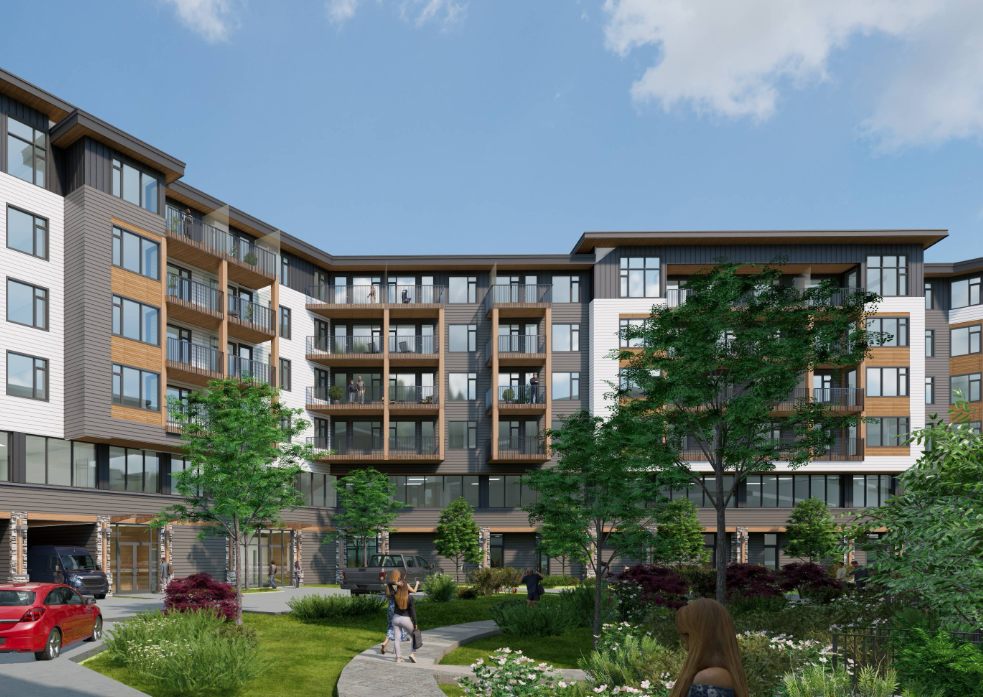
A new development proposal in Lynn Valley Centre protects existing renters, sits steps from transit and shops, and checks every box in the Official Community Plan. So why is it still being built around the car? A public hearing on the project is tentatively scheduled for Tuesday, April 14. Image: from the development proposal
A new housing development proposed for Lynn Valley Centre is exactly the kind of project our community needs - and the early opposition to it reveals exactly the kind of thinking we need to move past.
Let's be clear about what this project is: OCP-compliant, transit-adjacent, mixed-income housing in a designated Town Centre. It replaces a strip mall and 32 aging rental townhomes with 397 new homes (64 of which will be rentals), preserves the same amount of commercial space, and delivers real improvements to the public realm - sidewalks, a plaza, public art, and rehabilitation of a nearby streamside area.
Strong current resident protections
Remarkably, it also protects existing renters in Draycott Gardens by letting them stay in their homes until construction is complete and offers them first right of refusal on new units at their current rent, including their children if the home passes down to them. These units will remain below market, available to the broader community, in perpetuity. It looks to me like this development may have cracked the code - and unlocked the precedent - to protect renters who would historically have been displaced from their older homes. This is a real break-through. There are some trade-offs, of course, including somewhat smaller (but better-designed) homes and closer proximity to busy Lynn Valley Road. But overall, it’s a fairer, more respectful process for residents facing a disruptive change in their lives.
And yet, the opposition has already started. In my experience, having attended countless community information sessions and council meetings about housing proposals, this opposition usually isn't about the new people who will be moving here, building heights, or even to more density or type of housing. When you peel back the layers, most of the arguments come down to concerns about the cars those people will be bringing with them - increased traffic congestion and fewer available on-street parking spaces.
The parking problem
This new housing development would be a stone's throw from nearby schools, a library, grocery stores, a shopping centre, restaurants, outdoor recreation and located on a frequent transit corridor with multiple transit connections. So why does it include 390 resident parking spaces for 397 units, almost one per unit? It's excessive, and it's exactly the kind of planning decision that will shape how people live here for the next several decades. We should be aiming for 0.5 spaces per unit or fewer at this point.
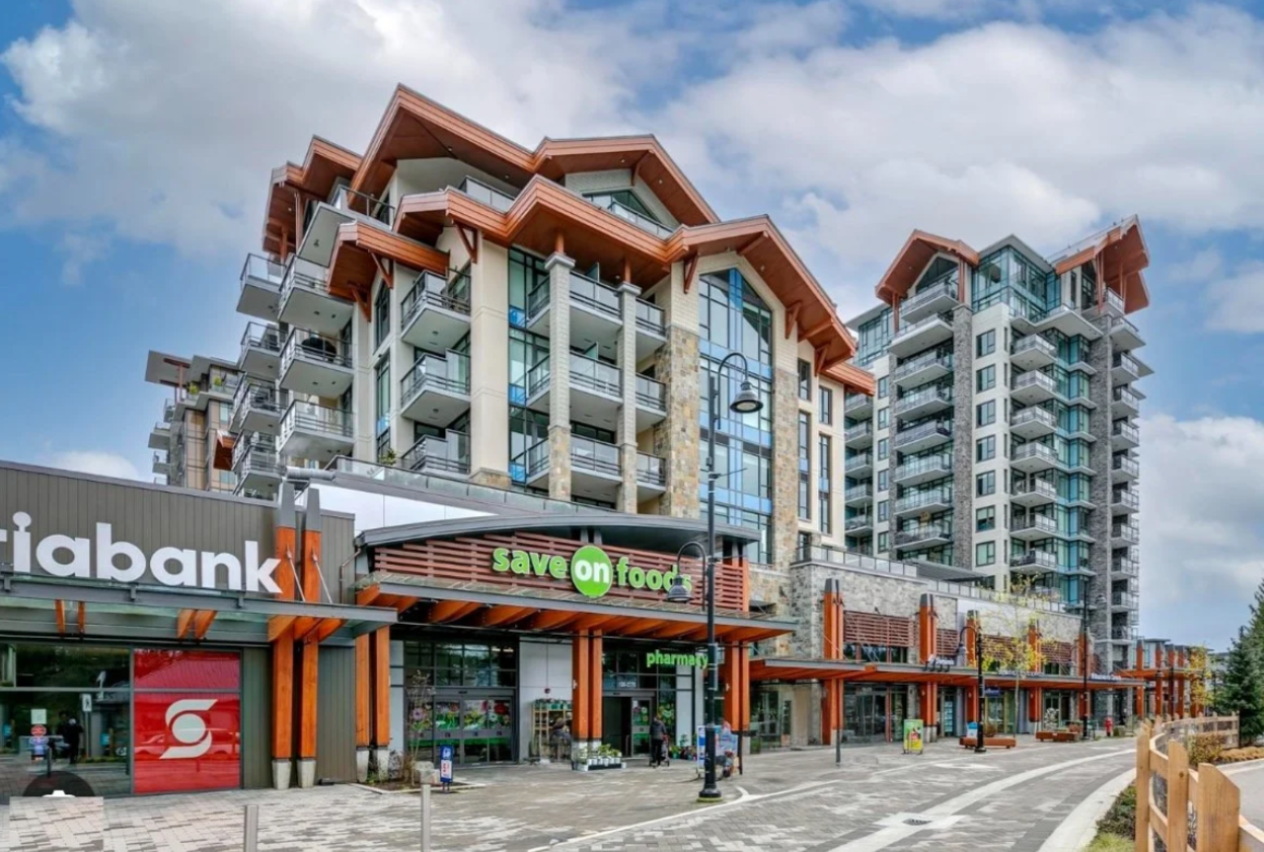
Lynn Valley Centre, with almost 60 stores, is directly across from the proposed homes. Photo: Heather Drugge
When we create that much parking, we're not just building spaces for cars. We're making a statement about who this housing is for and how we expect people to live. Because parking increases building costs, we might be pricing out potential residents who don't need a car. If we didn’t require that much parking, maybe the developer could offer more rental homes. We're adding traffic to the North Shore’s already-congested roads and we're basically incentivizing car ownership for people who might prefer not to own one at all.
The District needs to start decoupling housing from cars. Eliminating parking mandates near amenity-rich transit nodes like Lynn Valley Centre, expanding and connecting our active transportation network, and rolling out a modest hourly rate to manage parking demand throughout the North Shore aren't punitive measures - they're tools that give people real choices and allow our communities to grow without worsening our traffic woes.
Policy failure or lifestyle choice?
I often hear the argument that high-income buyers or renters simply aren't going to be arriving without one or two cars, as if it’s just the natural order of things. But car ownership isn't primarily a function of income - it's a function of planning and design. Plenty of people who can afford cars would love to live without one and plenty of people who can't afford cars are forced to own one anyway because our planning gives them no other option. That's a policy failure, not a lifestyle preference. Look at the affluent neighbourhoods of Manhattan or Brooklyn: a tiny fraction of residents own cars. They don't need to. Now, I know the North Shore isn't Manhattan, but the principle holds. When you build walkable, transit-accessible communities close to destinations and amenities, car ownership drops - not because we've lectured anyone about how to live, but because we've given them a real alternative.
Transit is the missing piece
Another argument I hear all the time is that we need cars because transit simply isn’t good enough. This is true. Today. But the reason transit doesn't work well for many North Shore residents now is that it's chronically underfunded. And the reason it's chronically underfunded is that most of our transportation investment and planning priorities go to drivers. At some point, we need to flip the script.
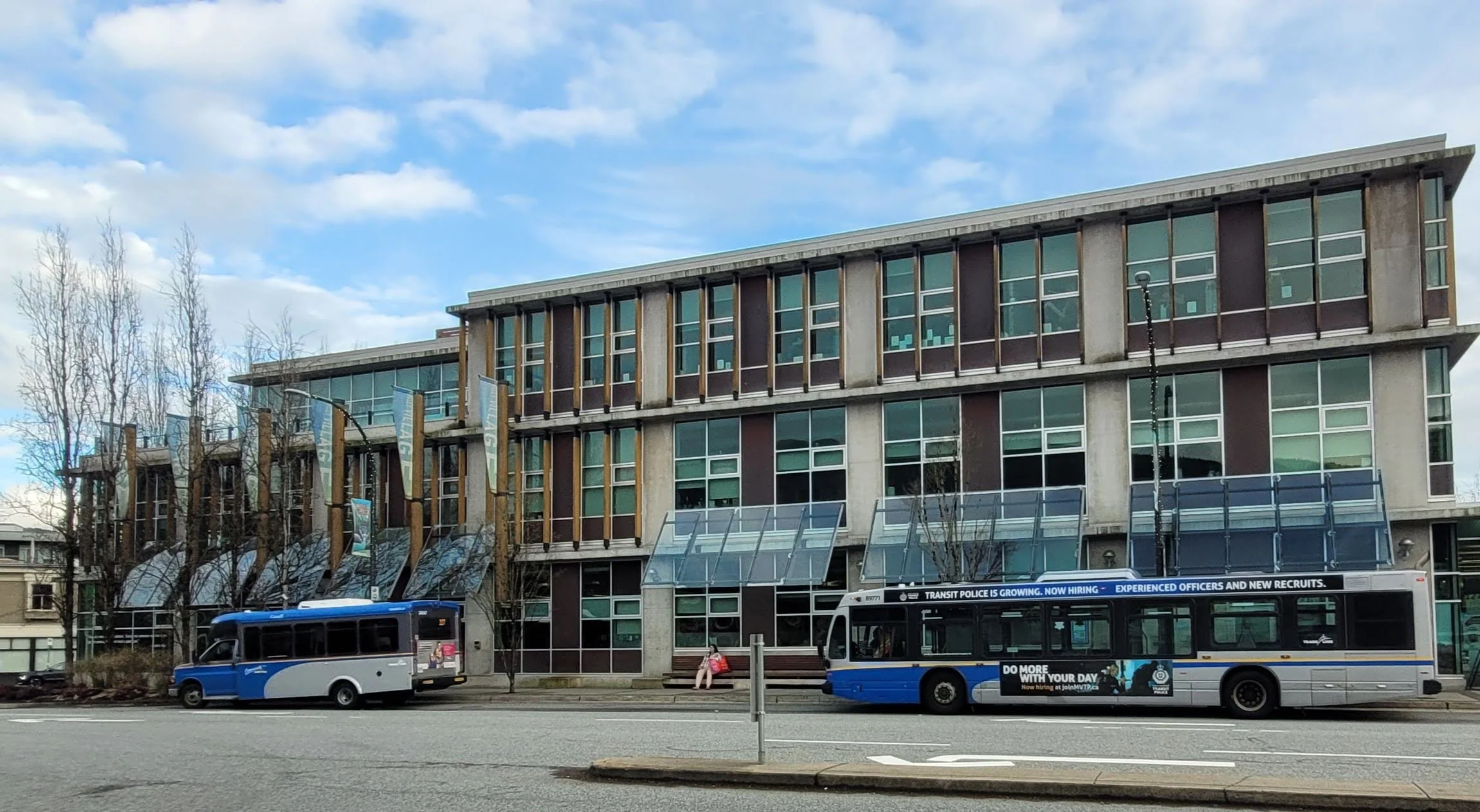
Lynn Valley Road is a frequent transit zone and will have a rapid bus line in future. Photo: Heather Drugge
A rapid bus line along Lynn Valley Road, a dedicated bus lane bypassing Mountain Highway congestion, more frequent and reliable service - these aren't utopian fantasies. They're the logical infrastructure investments that follow from concentrating density in transit corridors. More people living near transit means more riders. More riders justify more service. More service means fewer car trips. It's a virtuous cycle, but we have to start it.
It also isn't just a convenience argument. Plenty of North Shore residents don't own a car, don't drive, or can't drive due to age or disability. For them, every new parking-padded, car-dependent development is a signal that the community wasn't built with them in mind. Car-dependent neighbourhoods make it very difficult for people - especially seniors - to move freely and live independently as they age. Many new renters and homebuyers want to avoid that future. We should make it easy for them to do so.
Who the North Shore is for
Lynn Valley Centre is designated as a Town Centre in the Official Community Plan. The higher density there compared to surrounding single-family neighbourhoods isn't a mistake - it's the whole point.
During the drafting of that Official Community Plan, updated just a couple of years ago, representatives from our community agreed that we want our teachers, caregivers, nurses, first responders, and service workers to be able to live near where they work, go to school, and recreate. More housing in Town Centres is good for our local economy, makes more efficient use of infrastructure and tax dollars, and contributes to a more culturally vibrant North Shore. And for those of us who have kids starting to make their way as adults in the world, ensuring that they can continue to live here will mean that we can have them and our grandkids nearby as we age in place.
The planning decisions we make today will shape how people live here for decades. Our kids should never feel forced into car ownership just to participate in society. They deserve communities that give them real choices about how they move, where they live, and how much of their income goes toward transportation.
The time to start building those communities is now. There’s a public hearing scheduled for Tuesday, April 14th: attend in person, call in, or write an email to let our elected leaders know the future you want to see.
If this story resonates with you, please forward this to a few friends, and suggest they join our email list. We're building a group of like-minded people who want to see the North Shore positively embrace and manage the many changes we face. Thanks, we really appreciate it.
Updated 02-Apr-2026: DNV council email link added to last paragraph. Text added to third paragraph: “These units will remain below market, available to the broader community, in perpetuity.”